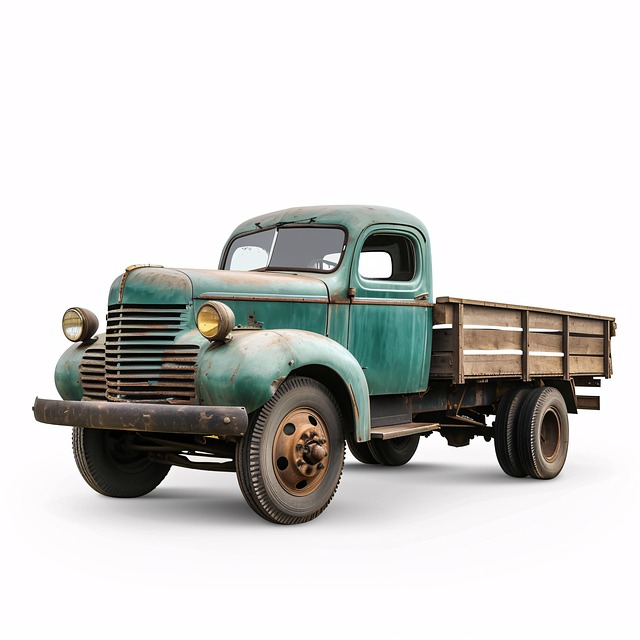
This comprehensive guide delves into the world of off-road vehicle repair, specifically focusing on essential techniques for repairing and maintaining truck bed rails in Brownsville, TX. From identifying common issues to mastering replacement and reinforcement methods, this article equips you with the knowledge to keep your ride robust and ready for any trail.
Brownsville Tx Truck Bed Rails: A Foundation for Off-Road Adventure
In the rugged landscapes of Brownsville, Texas, where off-road exploration is a way of life, strong and secure truck bed rails are not just optional—they’re essential. These structural components not only enhance the aesthetic appeal of your vehicle but also play a pivotal role in safety, cargo security, and overall performance during challenging terrain navigation. This guide explores various off-road vehicle repair techniques tailored to Brownsville’s demanding conditions, ensuring your truck bed rails remain reliable companions on every adventure.
Understanding Common Truck Bed Rail Issues in Brownsville
Before diving into the repair process, it’s crucial to grasp the typical problems that can affect truck bed rails in this region. Brownsville’s unique blend of urban setting and access to diverse off-road trails presents specific challenges:
Corrosion:
The area’s high humidity and frequent rainfall create a conducive environment for corrosion, especially in salt-treated roads during winter months. This can lead to rust buildup, weakened bolts, and eventual rail failure.
Impact Damage:
Brownsville’s rough roads and occasional off-road excursions can cause dents, cracks, or even complete rupture of bed rails due to impacts from uneven terrain, heavy loads, or collision with obstacles.
Wear and Tear:
Regular use, especially for hauling cargo or towing, puts significant stress on bed rails over time. This continuous strain can lead to fatigue failure, particularly at weld points and bolt joints.
Off-Road Vehicle Repair Techniques: Reinforcing Your Truck Bed Rails
Given the unique challenges faced by truck owners in Brownsville, here’s a breakdown of repair techniques to restore and reinforce your bed rails:
Step 1: Inspection and Diagnosis
The first step in any effective repair is thorough inspection. Carefully examine your truck bed rails for signs of damage, corrosion, or weakness. Utilize a flashlight and magnifying glass if needed to inspect hard-to-reach areas.
- Check for rust: Look for flaking paint, visible metal deterioration, or spots where corrosion has weakened the rail structure.
- Assess structural integrity: Tighten any loose bolts and replace any broken or missing components immediately.
- Note damage patterns: Identify the type and severity of damage (dents, cracks, breaks) for targeted repair solutions.
Step 2: Rust Removal and Surface Preparation
Rust is a significant enemy of metal structural integrity. Before repairing or replacing any rail sections, thoroughly remove all traces of rust to ensure a strong bond between new and existing metal.
-
Use mechanical methods: Scrape away loose rust with a wire brush or sandpaper (starting with coarse grit).
-
Apply chemical strippers: For heavier rust buildup, use commercially available rust remover following manufacturer instructions for safety precautions.
-
Wipe down the area: Once rusted surfaces are clean and dry, wipe them down with a damp cloth to remove any remaining debris.
Step 3: Repairing Dents and Cracks
Dents and cracks can compromise the structural integrity of your bed rails if left unrepaired. Luckily, there are several effective techniques for repairing these common off-road damage types.
-
For dents:
- Hammering: Use a rubber mallet and a piece of metal (e.g., scrap steel) to gently pound out the dent from the inside, pushing the metal back into place.
- Popping: This method involves using a special tool to apply pressure behind the dent, popping it out. It’s effective for deeper dents but requires practice and caution.
- Professional repair: For severe or complex dents, seek professional help from an experienced mechanic or body shop.
-
For cracks:
- Welding: This is often the best solution for structural integrity. A qualified welder can fuse broken rail sections back together, creating a strong bond.
- Metal laminating compounds: For non-structural cracks, consider using high-strength epoxy resin or metal laminating compounds to fill and reinforce the crack.
Step 4: Reinforcing Weak Points
Identify areas prone to stress concentration (welds, bolt holes) and reinforce them to prevent future failures.
- Welding: Add fillet welds or lap joints around critical points to increase strength at vulnerable spots.
- Mechanical reinforcement: Use steel plates, brackets, or angles bolted to existing rails to provide extra support where needed.
Step 5: Replacing Rail Sections
If a rail section is beyond repair, replace it with a new one that matches your truck’s make and model. Ensure proper fitment by consulting your vehicle’s service manual or seeking guidance from an automotive parts specialist.
- Measurements are key: Take accurate measurements of the damaged section to ensure you get the right replacement length.
- Use quality components: Opt for OEM (original equipment manufacturer) or reputable aftermarket parts for durability and long-term performance.
Step 6: Final Assembly and Testing
Once repairs or replacements are complete, reassemble your bed rails carefully, ensuring all bolts are securely tightened. Test the stability and functionality of your truck’s bed after each repair step to ensure everything is secure and properly aligned.
Frequently Asked Questions
1. Can I perform these repairs myself, or do I need a professional?
Many minor repairs, such as dent removal and welding small cracks, can be done yourself with the right tools and techniques. For more complex repairs, structural welds, or replacement of large sections, it’s best to consult a qualified mechanic or off-road specialist.
2. What materials are best suited for reinforcing truck bed rails?
Steel is the most common material for bed rail reinforcement due to its strength and durability. However, aluminum can also be used for reduced weight. For severe cases, adding specialized composites or high-strength alloys may offer optimal strength-to-weight ratios.
3. How often should I inspect my truck bed rails for damage?
Regular inspection is crucial, especially if you frequently use your vehicle for off-road adventures. Aim to check them at least monthly, or more frequently in regions with extreme weather conditions.
4. What precautions should I take when handling rusted metal during repair?
Rust can contain harmful particles and gases. Always wear protective goggles, gloves, and a respirator when working with rusted metal. Use a well-ventilated area or work outside to minimize exposure to airborne contaminants.
5. How do I prevent future damage to my truck bed rails?
Regular maintenance is key. Keep your vehicle clean, treat metal surfaces with a rust inhibitor, and consider using bed liners for added protection against impact damage. Avoid driving on rough roads or off-road trails unnecessarily if your vehicle isn’t equipped for such conditions.
Conclusion
Brownsville Tx Truck Bed Rails: A robust and well-maintained set of bed rails is essential gear for any off-road enthusiast in this dynamic city. By mastering the art of off-road vehicle repair, you can extend the lifespan of your truck’s most crucial components, ensuring safe and enjoyable adventures for years to come. Remember, proper inspection, timely maintenance, and adherence to proven repair techniques are the cornerstones of a strong and reliable bed rail system.